
Discovering My Roots and Japan’s Timeless Scenery in Higashihiroshima
Kenryo Sera
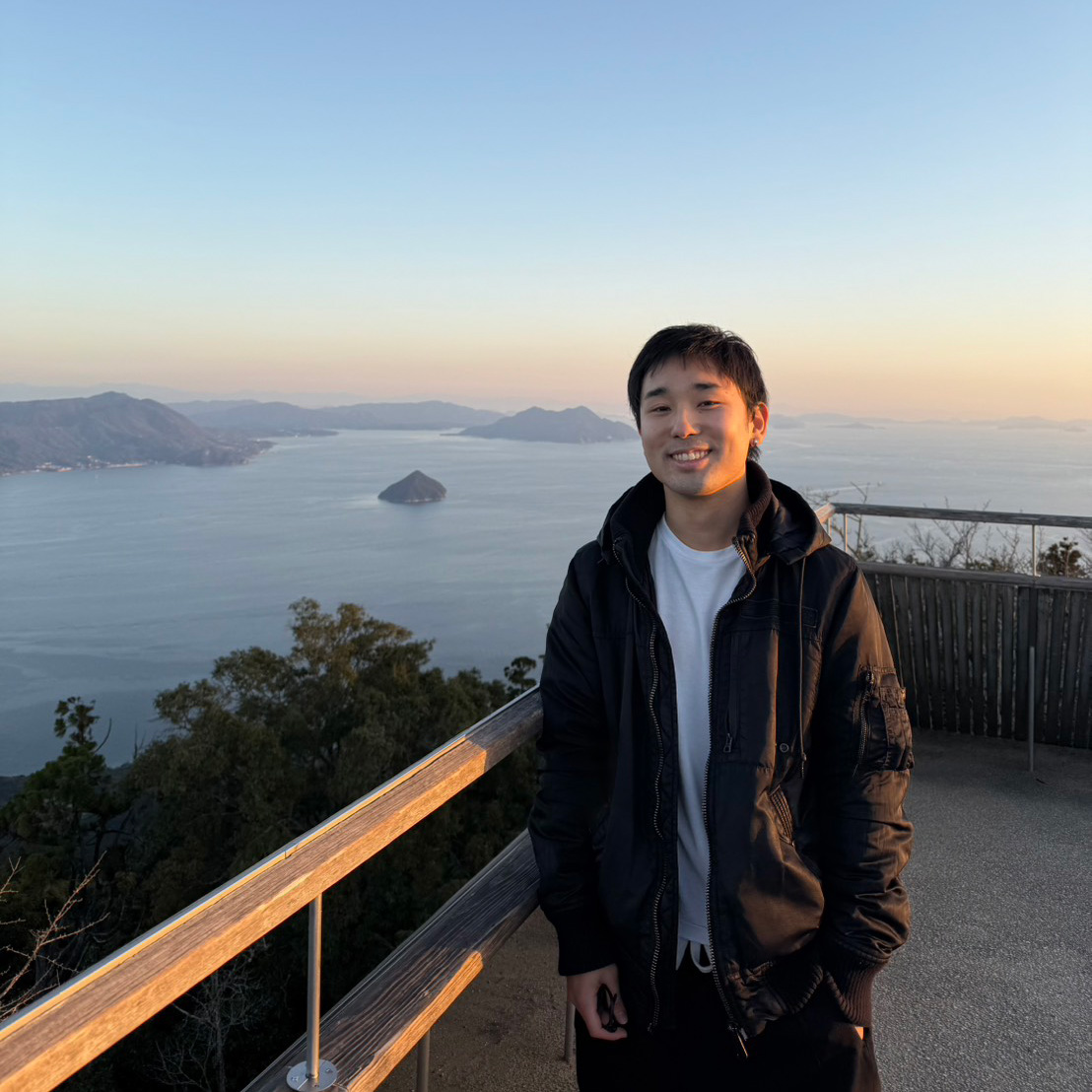
My grandfather is originally from Hiroshima prefecture. However, on his twenties, he moved to Brazil, so almost everyone from my family, including me, was born and raised there.
Since I was a child, I had a dream of living in Japan. I have always felt a deep connection with the country of my ancestors, and in many ways, Japan and its culture have been an important part of my identity. So, it felt like destiny when I was accepted in Hiroshima University and had the opportunity to return to my roots to study.
Now, I am in my 4th year here and recently had the privilege of hosting my mother. She has always been there for me and was my biggest supporter in achieving my dream of going to Japan. In a spirit of gratitude, this was a wonderful chance to welcome her to where I live, which is also the prefecture of her father.
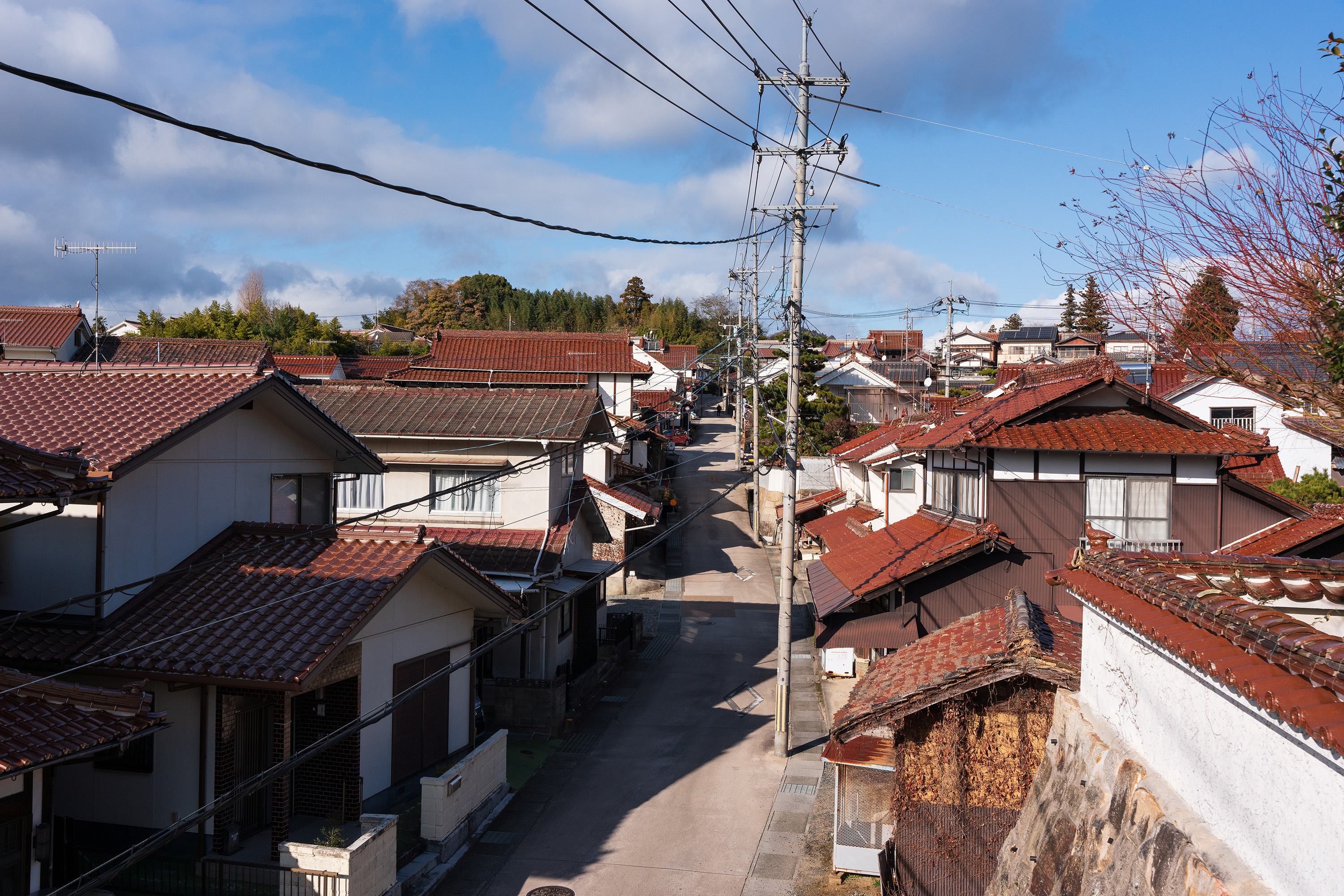
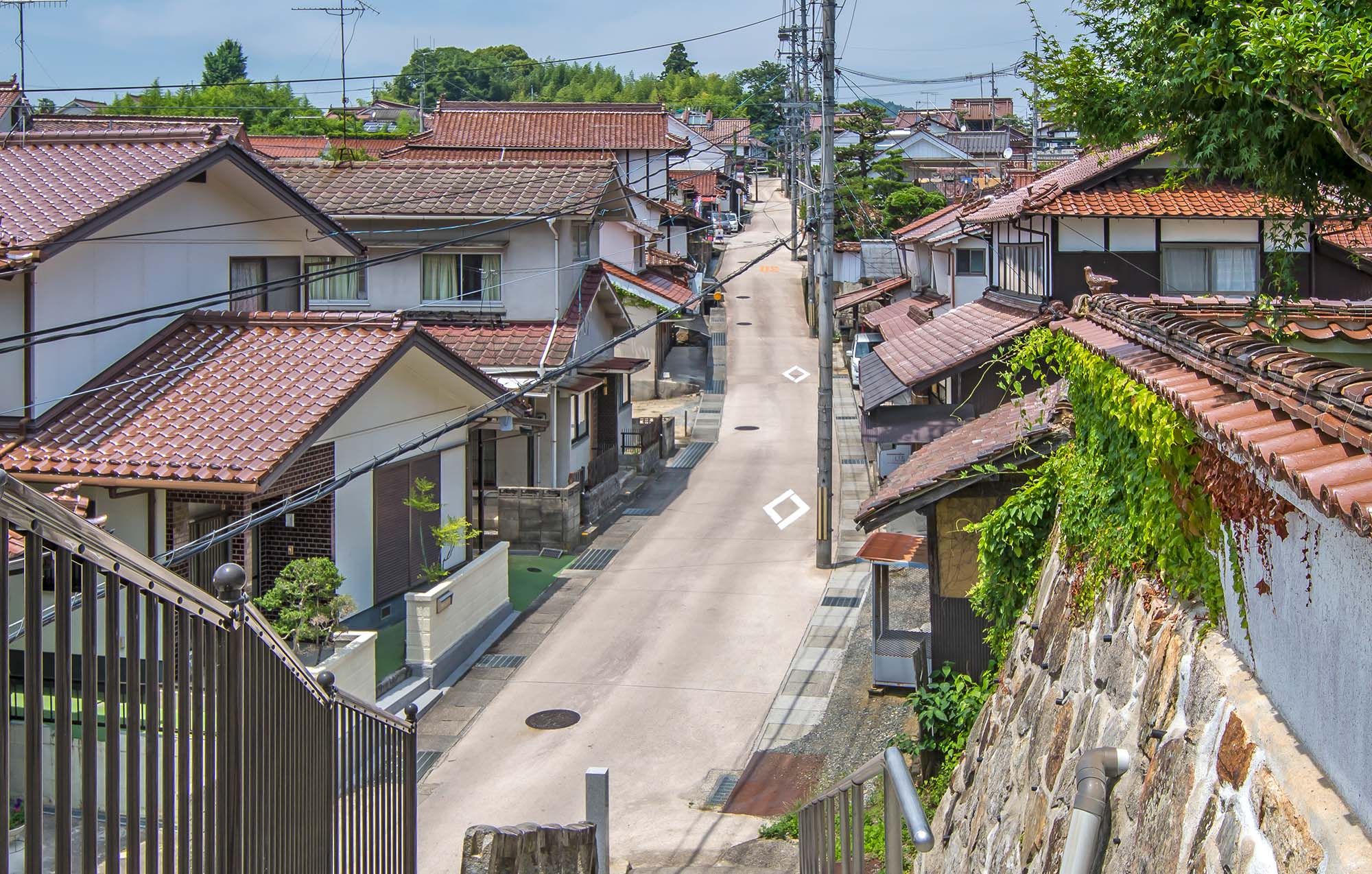
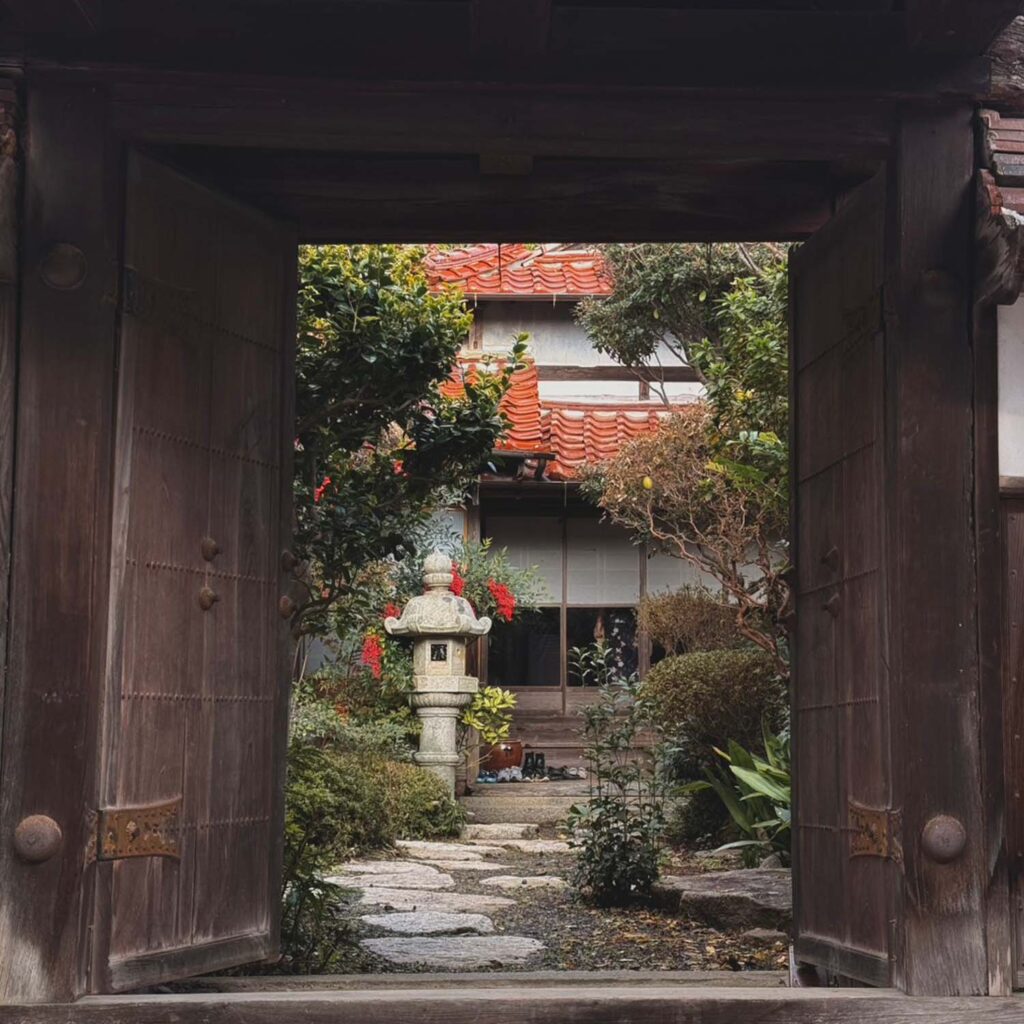
On the very next day after her arrival, we went together to Takaya-cho, a charming traditional town in Higashi-Hiroshima. We first visited the former Kihara family residence. The building as well as its surroundings had a lovely historical vibe, almost as if the place had stopped on time. It was interesting to imagine how people used to live there in the past.
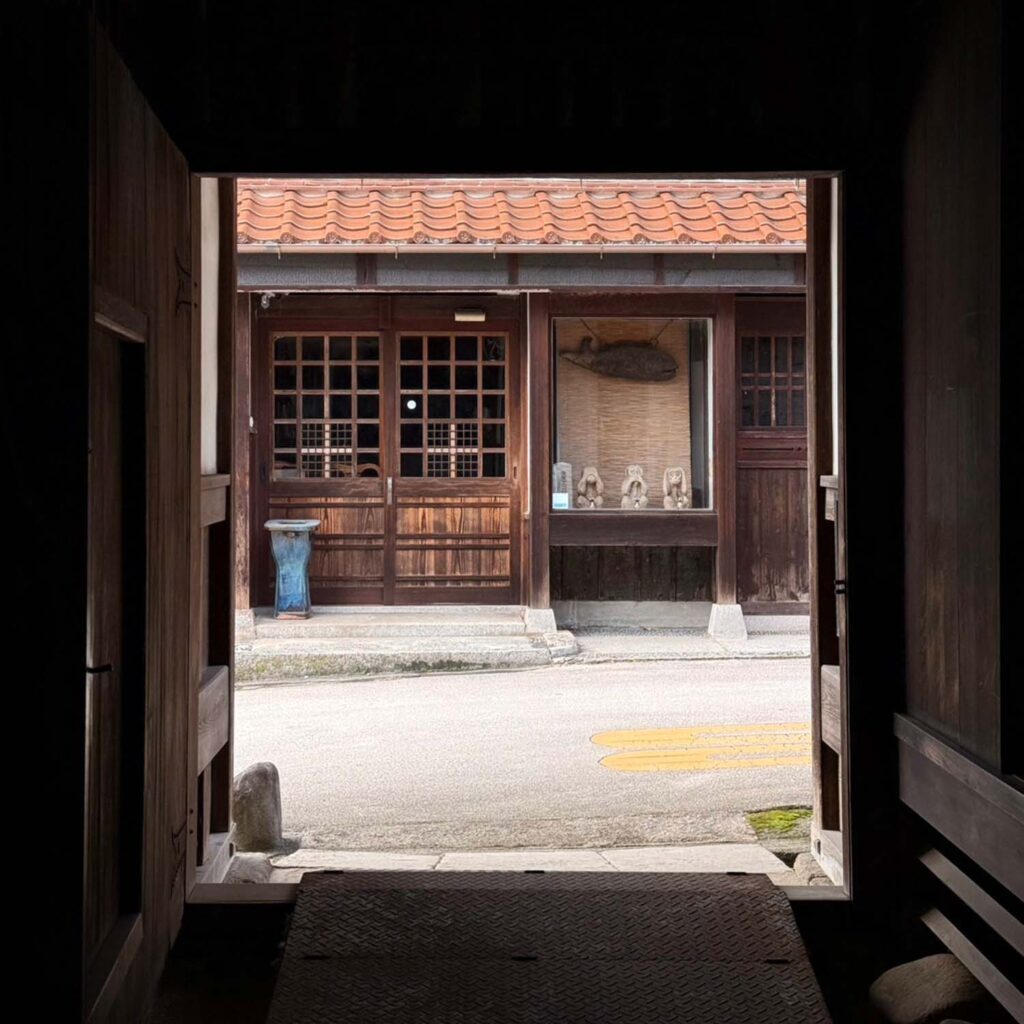
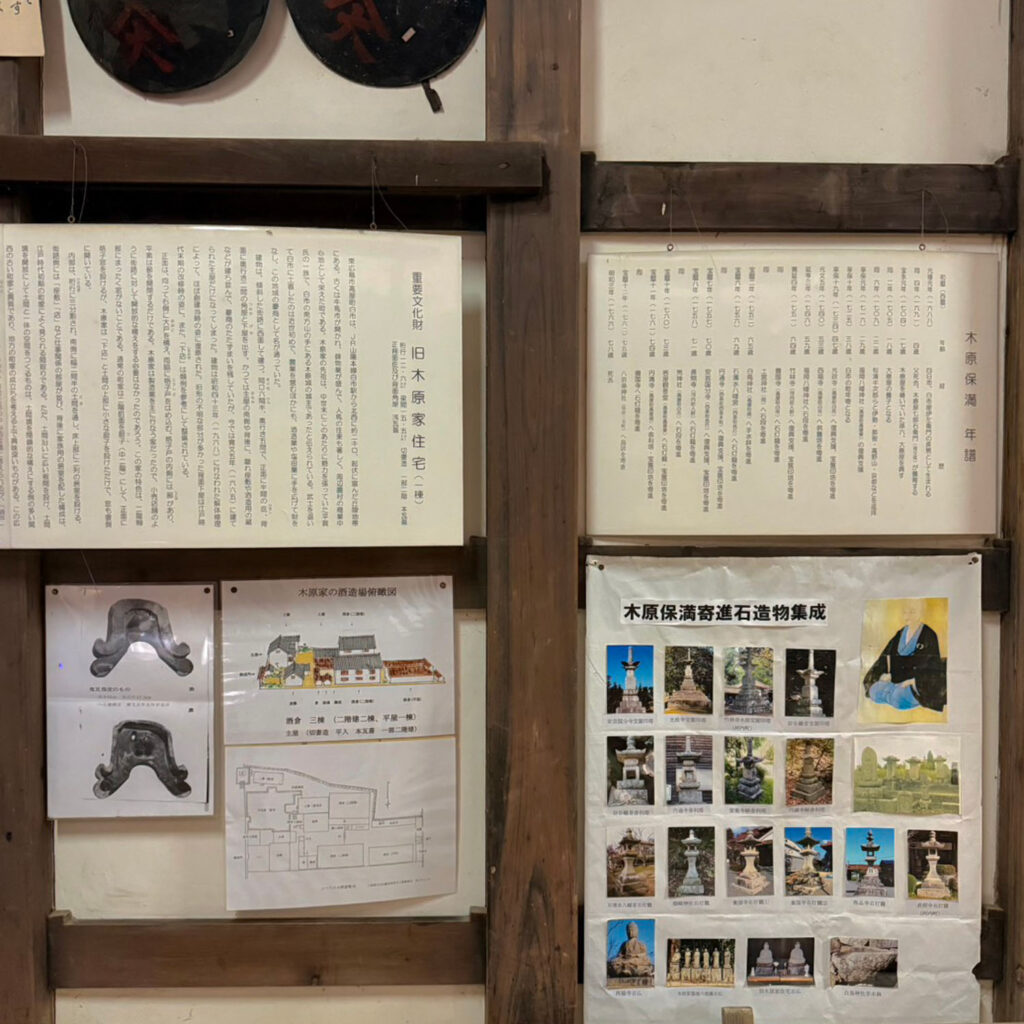
Inside, there were also many objects, pictures and information related to the region and its history. The former Kihara residence is very well preserved, especially considering that it is one of the oldest buildings in the region.
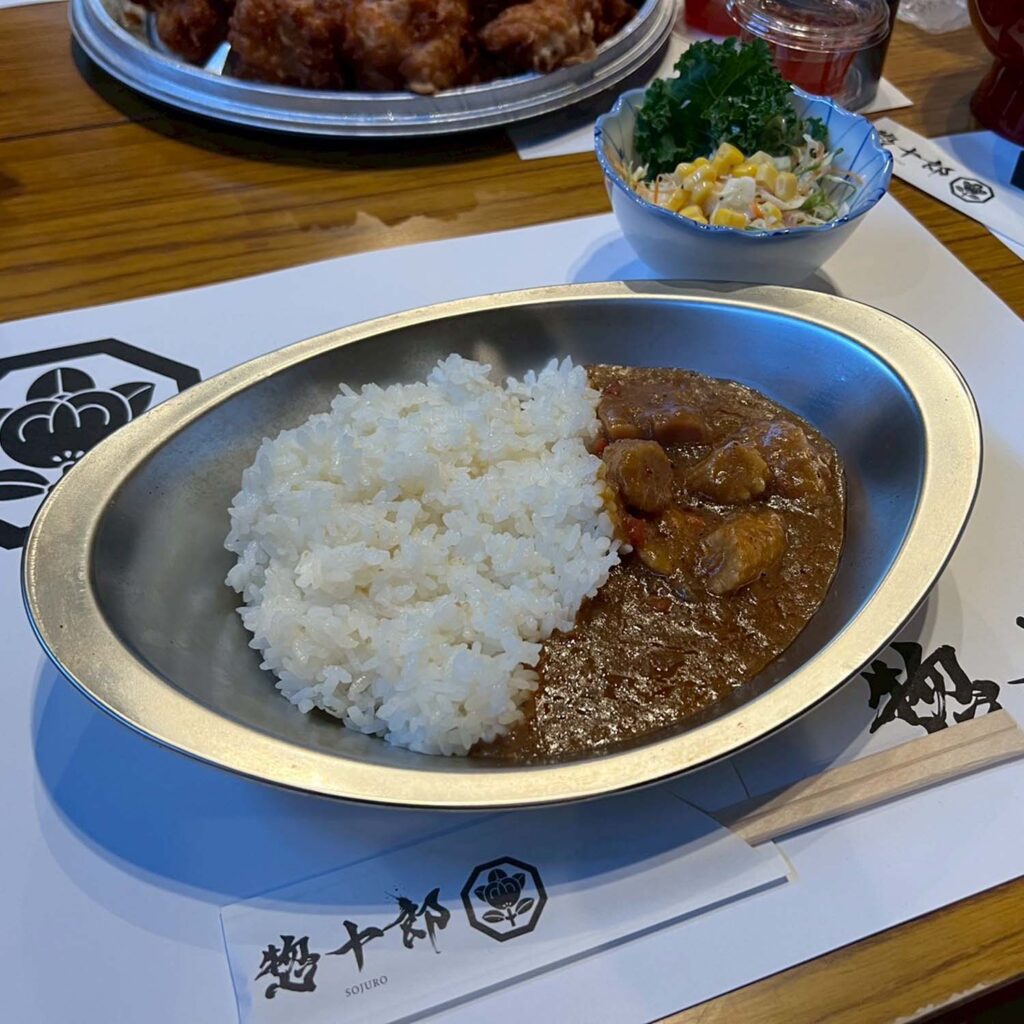
For lunch, we went to the restaurant “Sojuro”, an establishment operated in a building designated as a tangible cultural property of Japan. The restaurant offered very good service and featured a beautiful design and garden.
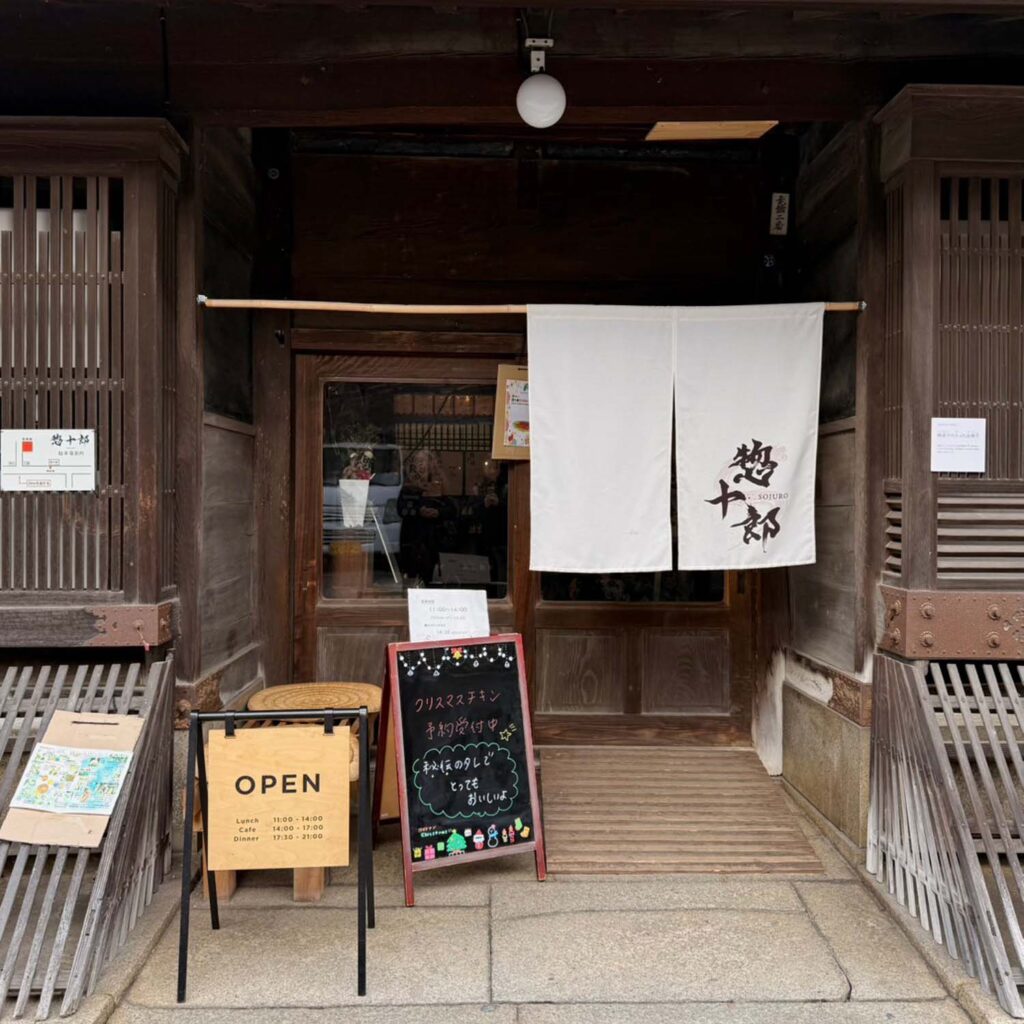
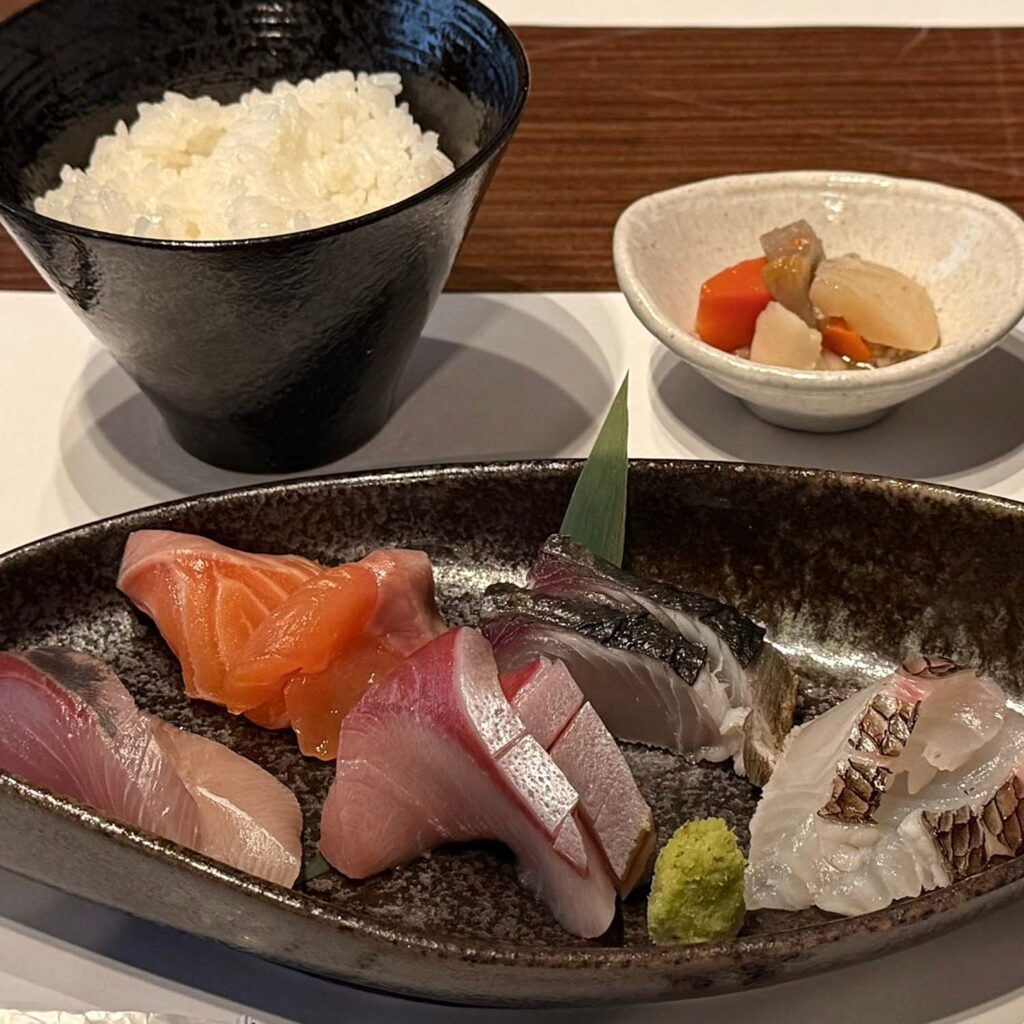
As wonderful as these aspects were, the food was equally great – the sashimi set I had was amazing. Additionally, they also had many other options that looked delicious, including vegan and halal menus.
Another interesting aspect about Takaya-cho in Shiraichi is that it has a Kabuki culture, a traditional Japanese theatrical art form practiced there since the Edo period. Even today, residents still perform it once a year.
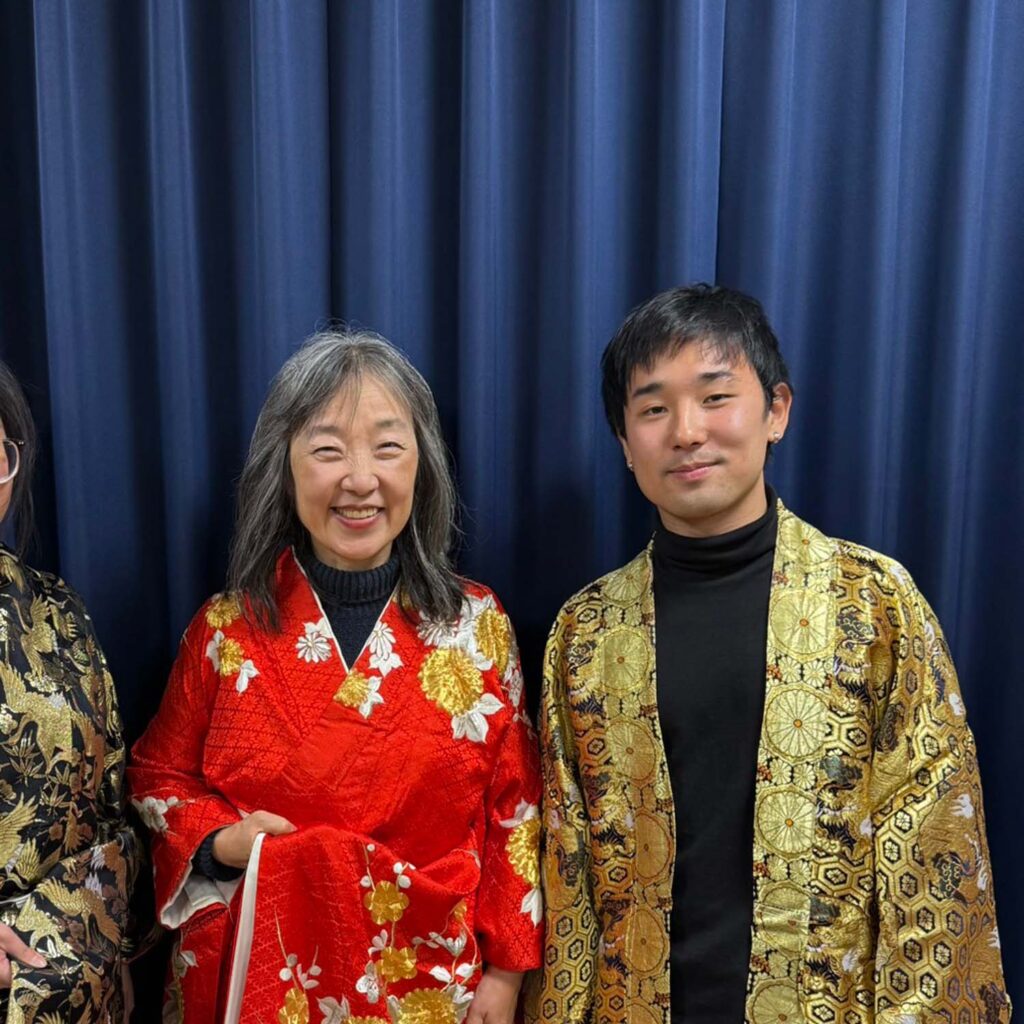
Although we didn’t see a performance during our visit, we had the chance to try on traditional instruments and clothing used in Kabuki. It was our first time wearing such garments, and it was a very special experience.
As I write this, a recollection of good moments from these four years in Hiroshima begins to emerge. Living in Saijo – so different from the bustling city of São Paulo where I am from – has given me unique and invaluable life experiences. It also allowed me to meet incredible people and create dear memories that I will cherish. I am deeply thankful to this place and to everyone who has made this journey a dream come true.